
Laypeople often equate police custody with detention. Because of that it’s often seen in the media that a person has been detained for up to 48 hours. However, police custody and detention are two different things governed by different rules. This text will explain what police custody is, when can it be applied and how it differs from detention.
What is police custody and how long does it last?

Police custody is a procedural tool of the public prosecutor that allows him to exceptionally detain an arrested or summoned suspect for questioning. Custody is carried out by the police in their premises based on the decision of the public prosecutor.
Police custody can last up to a maximum of 48 hours from the time of arrest or response to a summon. After the suspect has been interrogated or if the specified deadline has passed (and the suspect has not been interrogated), he must be released. However, the suspect may not be released if his detention is ordered after the hearing.
Since we mentioned detention, it should be noted that police custody and detention are not synonymous. Unlike police custody, detention is not ordered by the public prosecutor, but by the court at the proposal of the public prosecutor. Police custody and detention also differ in terms of duration and deadlines. Police custody may last at most 48 hours, while detention may last at least 30 days. The maximum duration depends on the specifics in the case. The reasons for ordering police custody and detention also differ. Police custody is ordered to conduct an interogation, while detention is not determined for this reason. Finally, in contrast to police custody, detained persons are sent to special detention units of county jails and prisons. You can read about detention in more detail in a separate post.
When can I be held in police custody and what are my rights?

Police custody may be ordered against a suspect if there are grounds for ordering detention; if the suspect was arrested while committing a criminal offense for which he is being prosecuted ex officio and if the suspect is questioned as a suspect by the police.
Police custody is characteristic for very short deadlines. The decision on custody must be delivered to the suspect immediately, and no later than within two hours from when he was informed that he will be held in custody. The suspect and his attorney have the right to file an appeal against the decision on custody within six hours from the delivery of the decision. The judge for preliminary proceedings must decide on the appeal within four hours of receiving the appeal.
The suspect must have an attorney as soon as the custody decision is made. If the suspect doesn’t provide an attorney within four hours, a public defender will be assigned to him.
In addition to the right to the time limitation of police custody and the right to an appeal, the suspect has all the rights an arrested person has.
If one or more rights of the suspect were violated during the course of this phase, the suspect may sue for damages.
Can I be put into custody because of a misdemeanor?
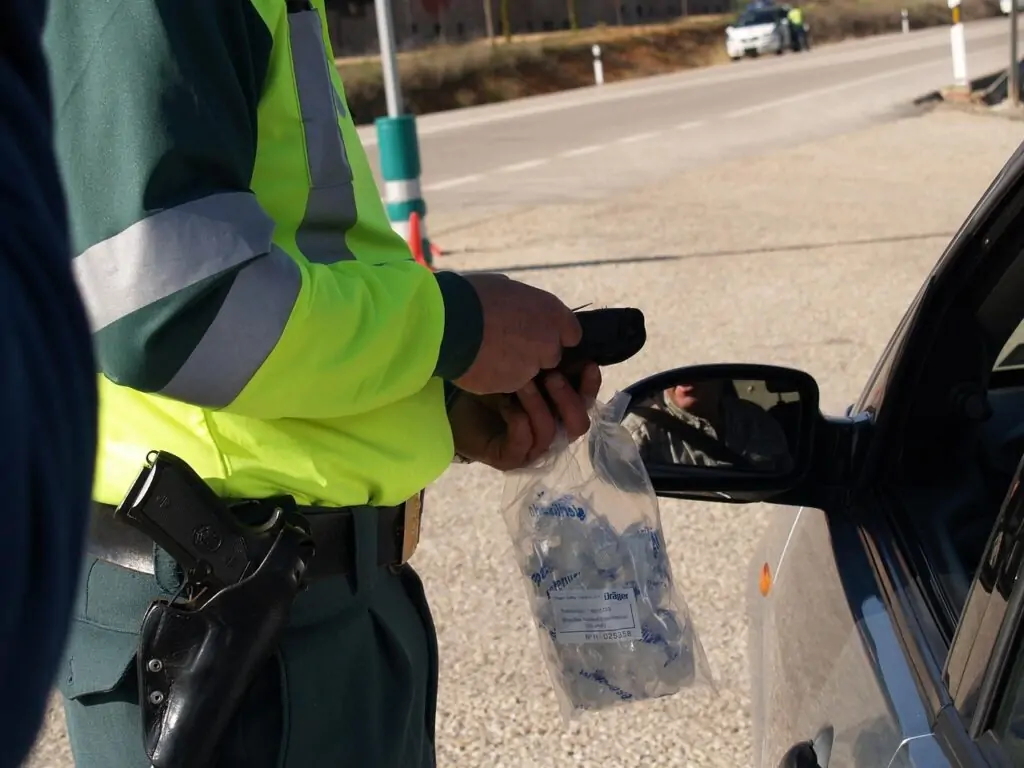
Police custody may also be ordered due to a committed misdemeanor, in the following cases:
- if the identity or residence/stay of the defendant cannot be established, and there is a reasonable suspicion that he will flee;
- if by going abroad the defendant avoids liability for a misdemeanor punishable by imprisonment;
- if the defendant was caught committing a misdemeanor, and police custody is necessary to prevent further commission of the misdemeanor;
- ако је окривљени под утицајем алкохола или других психоактивних супстанци затечен у вршењу прекршаја, ако постоји опасност да ће и даље вршити прекршаје и
- if the defendant refuses to submit to testing for the presence of alcohol and other intoxicants.
In the first three situations police custody may last for a maximum of 24 hours. In the fourth situation it may last until sober, but not longer than 12 hours. In the fifth situation it may last for a maximum of 12 hours.
Ordering police custody is MANDATORY if the accused is a motor vehicle driver who has more than 1.20 mg/ml of alcohol in the blood or is under the influence of other intoxicants and if the defendant refuses to submit to a test for the presence of alcohol and other intoxicants.
If you have any questions regarding the office's practice areas or the posts on this website, please feel free to contact us. All communication with the office is protected by the obligation of attorney-at-law confidentiality.