
Driving under the influence of alcohol is at the same time one of the most common traffic misdemeanors and one of the most dangerous factors for traffic safety. A certain amount of alcohol in the blood can be a violation in itself, but also a decisive cause of the commission of numerous misdemeanors and criminal offenses.
Alcohol (ethyl alcohol - ethanol) is a psychoactive substance that acts as a central nervous system depressant. It reduces the ability to reason, slows down reflexes, creates a disturbance in the coordination of movements and increases the tendency to risky behavior. This condition directly leads to a weakening of attention and a narrowing of the field of vision, due to which the driver is late in noticing pedestrians, traffic signs or vehicles coming to meet him. Alcohol simultaneously reduces the driver's abilities and increases his confidence, creating a dangerous illusion of control at times when reflexes are weakest.
For these reasons, driving under the influence of alcohol is treated strictly - not only as an individual offense, but as a qualifying element that significantly complicates the legal position of the perpetrator in the event of a traffic accident.
Table of contents
- How much alcohol can a driver have in his blood?
- Levels of alcohol intoxication and legal consequences: How much per mille leads to license revocation?
How much alcohol can a driver have in his blood?
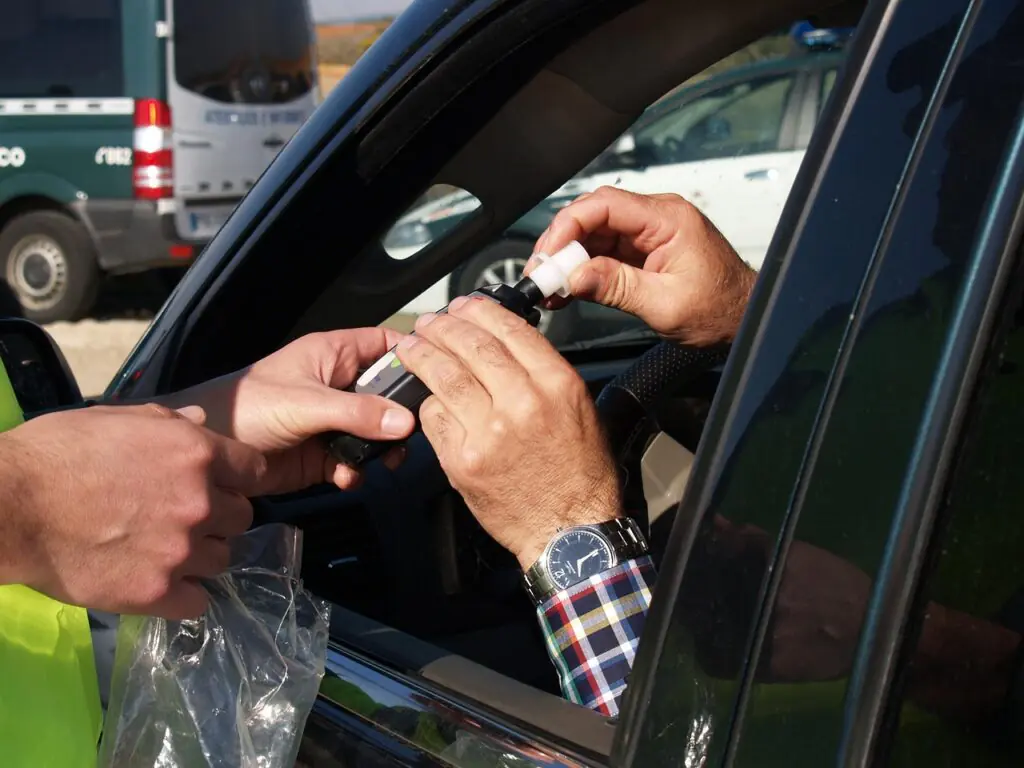
The permissible amount of alcohol in the blood depends on the legal category to which the driver belongs.
Drivers who fall into the following categories must not have any alcohol in their system at all (drivers for whom zero tolerance applies):
- the driver of a motor vehicle that is registered for the transport of more than eight persons, except for the driver, i.e. whose maximum permissible mass is greater than 3,500 kg;
- driver of a motor vehicle who performs public transport of persons or things;
- the driver of a vehicle that transports dangerous substancesi.e. performs extraordinary transportation;
- motorcycle driver ie. driver of vehicles of category A1, A2, AM and A;
- driving instructor when conducting practical training of driver candidates;
- a driver candidate during practical training and taking a practical test;
- a driver with a probationary driver's license;
- a person supervising a driver with a probationary driver's license;
- examiner at the practical exam;
- the driver of a vehicle with the right of way and the driver of an escorted vehicle.
Other drivers must not have more than 0.20 mg/ml of alcohol in their body.
Levels of alcohol intoxication and legal consequences: How much per mille leads to license revocation?
The Law on Road Traffic Safety distinguishes 7 degrees of intoxication, which directly depends on the type and severity of the penalty, the number of penalty points, the duration of the protective measure of the ban on driving a motor vehicle, and other legal consequences.
According to the amount of alcohol in the blood, the following degrees are distinguished:
- Mild intoxication: up to 0.20 mg/ml;
- Moderate intoxication: more than 0.20 mg/ml to 0.50 mg/ml;
- Medium intoxication: more than 0.50 mg/ml to 0.80 mg/ml;
- High intoxication: more than 0.80 mg/ml to 1.20 mg/ml;
- Heavy intoxication: more than 1.20 mg/ml to 1.60 mg/ml;
- Very heavy intoxication: more than 1.60 mg/ml to 2.00 mg/ml;
- Full intoxication: more than 2.00 mg/ml.
What are the misdemeanor sanctions for driving under the influence of alcohol?
Misdemeanor sanctions for driving under the influence of alcohol include 1) a penalty, 2) a protective measure - a ban on driving a motor vehicle, and 3) penalty points. Below is an overview of misdemeanor sanctions according to the degree of intoxication.
Full intoxication
Driving a vehicle while fully intoxicated is considered violent driving. The following misdemeanor sanctions are imposed for violent driving:
- cumulative (jointly) imprisonment for a duration of 30 to 60 days and a fine of 120,000.00 dinars to 140,000.00 dinars or cumulative work in the public interest for a duration of 240 to 360 hours and a fine a fine of 120,000.00 dinars to 140,000.00 dinars;
- ban on driving a motor vehicle for at least 9 months and
- 15 penalty points.
Misdemeanor sanctions are harsher if the driver, during violent driving, caused a traffic accident. Then the following are imposed:
- cumulative imprisonment for a duration of 45 to 60 days and a fine of 130,000.00 dinars to 150,000.00 dinars or cumulative work in the public interest for a duration of 300 to 360 hours and a fine of 130,000.00 dinars to 150,000.00 dinars;
- ban on driving a motor vehicle for at least 10 months and
- 17 penalty points.
There are special aggravating circumstances in which misdemeanor sanctions are toughened: if the driver is subject to the zero tolerance rule and/or if at the time the offense was committed there was a child up to 12 years of age in the vehicle. Then, each of the aforementioned aggravating circumstances:
- increases the duration of the ban on driving a motor vehicle by 2 months (maximum 12 months) and
- increases the number penalty points by 2.
Very heavy intoxication
The following misdemeanor sanctions are imposed for driving a vehicle while under very heavy intoxication:
- imprisonment for a duration of a minimum 15 days or a fine of 100,000.00 dinars to 120,000.00 dinars;
- ban on driving a motor vehicle for at least 8 months and
- 14 penalty points.
Misdemeanor sanctions are harsher if the driver caused a traffic accident. Then the following are imposed:
- imprisonment for a duration of a minimum 45 days or a fine of 120,000.00 dinars to 150,000.00 dinars;
- ban on driving a motor vehicle for at least 10 months and
- 16 penalty points.
There are special aggravating circumstances in which misdemeanor sanctions are toughened: if the driver is subject to the zero tolerance rule and/or if at the time the offense was committed there was a child up to 12 years of age in the vehicle. Then, each of the aforementioned aggravating circumstances:
- increases the duration of the ban on driving a motor vehicle by 2 months (maximum 12 months) and
- increases the number penalty points by 2.
Heavy intoxication
The following misdemeanor sanctions are imposed for driving a vehicle while under heavy intoxication:
- imprisonment for a duration of a minimum 15 days or a fine of 100,000.00 dinars to 120,000.00 dinars;
- ban on driving a motor vehicle for at least 8 months and
- 9 penalty points.
Misdemeanor sanctions are harsher if the driver caused a traffic accident. Then the following are imposed:
- imprisonment for a duration of a minimum 45 days or a fine of 120,000.00 dinars to 150,000.00 dinars;
- ban on driving a motor vehicle for at least 10 months and
- 11 penalty points
There are special aggravating circumstances in which misdemeanor sanctions are toughened: if the driver is subject to the zero tolerance rule and/or if at the time the offense was committed there was a child up to 12 years of age in the vehicle. Then, each of the aforementioned aggravating circumstances:
- increases the duration of the ban on driving a motor vehicle by 2 months (maximum 12 months) and
- increases the number penalty points by 2.
High intoxication
The following misdemeanor sanctions are imposed for driving a vehicle while under high intoxication:
- a fine of 20,000.00 dinars to 40,000.00 dinars or imprisonment for a duration of up to 30 days;
- ban on driving a motor vehicle for at least 4 months and
- 8 penalty points.
Misdemeanor sanctions are harsher if the driver caused a traffic accident. Then the following are imposed:
- a fine of 40,000.00 dinars to 60,000.00 dinars or imprisonment up to 60 days;
- ban on driving a motor vehicle for at least 6 months and
- 11 penalty points.
There are special aggravating circumstances in which misdemeanor sanctions are toughened: if the driver is subject to the zero tolerance rule and/or if at the time the offense was committed there was a child up to 12 years of age in the vehicle. Then, each of the aforementioned aggravating circumstances:
- increases the duration of the ban on driving a motor vehicle by 2 months (maximum 12 months) and
- increases the number penalty points by 2.
It is interesting to note that there is an error in the text of the law. The text of the law does not prescribe an increase in the number of penalty points for the degree of high alcoholism, although it is prescribed for the degree of medium alcoholism - which is milder compared to the degree of high alcoholism. In practice, this can be one of the potential ways of defending the driver in a misdemeanor proceeding. Nevertheless, this section was written on the assumption that no mistake had occurred, because that was the obvious intention of the legislature.
Medium intoxication
The following misdemeanor sanctions are imposed for driving a vehicle while under medium intoxication:
- a fine of 10,000.00 dinars to 20,000.00 dinars;
- ban on driving a motor vehicle for at least 3 months and
- 6 penalty points.
Misdemeanor sanctions are harsher if the driver caused a traffic accident. Then the following are imposed:
- a fine of 20,000.00 dinars to 40,000.00 dinars or imprisonment for up to 45 days;
- ban on driving a motor vehicle for at least 5 months and
- 7 penalty points.
There are special aggravating circumstances in which misdemeanor sanctions are toughened: if the driver is subject to the zero tolerance rule and/or if at the time the offense was committed there was a child up to 12 years of age in the vehicle. Then, each of the aforementioned aggravating circumstances:
- increases the duration of the ban on driving a motor vehicle by 2 months (maximum 12 months) and
- increases the number penalty points by 2.
Moderate intoxication
For driving a vehicle while under moderate intoxication, the only sanction imposed is:
- a fine in the fixed amount of 10.000,00 dinars.
If the driver caused an immediate danger to another road user or caused a traffic accident, the following shall be imposed:
- a fine of 15,000.00 dinars to 30,000.00 dinars and
- at least 2 penalty points (at least 4 penalty points if there was a special aggravating circumstance – if there was a child up to 12 years of age in the vehicle).
Mild intoxication
For driving a vehicle while under mild intoxication, the only one sanction is imposed to drivers that must obey the zero tolerance rule:
- a fine in the fixed amount of 10.000,00 dinars.
If the driver caused an immediate danger to another road user or caused a traffic accident, the following shall be imposed:
- a fine of 15,000.00 dinars to 30,000.00 dinars and
- at least 2 penalty points (at least 4 penalty points if there was a special aggravating circumstance – if there was a child up to 12 years of age in the vehicle).
Exclusion from traffic and detention of the driver until he sobers up
The police officer will exclude the driver from traffic for a duration of 24 hours:
- whom he found to be under the influence of alcohol (passing legal limits);
- who refused to submit to testing for the presence of alcohol and
- if he requested a blood test.
The driver must be put into custody until he sobers up (but no longer than 12 hours):
- if it was determined that he is under heavy, very heavy or full intoxication and
- if he refused to submit to testing for the presence of alcohol.
A driver with a lower level of alcohol in his blood can be put into custody until he sobers up (no longer than 12 hours) if he expresses his intention, i.e. there is a risk that he will continue to drive the vehicle after he has been excluded from traffic.
Temporary or permanent seizure of a vehicle
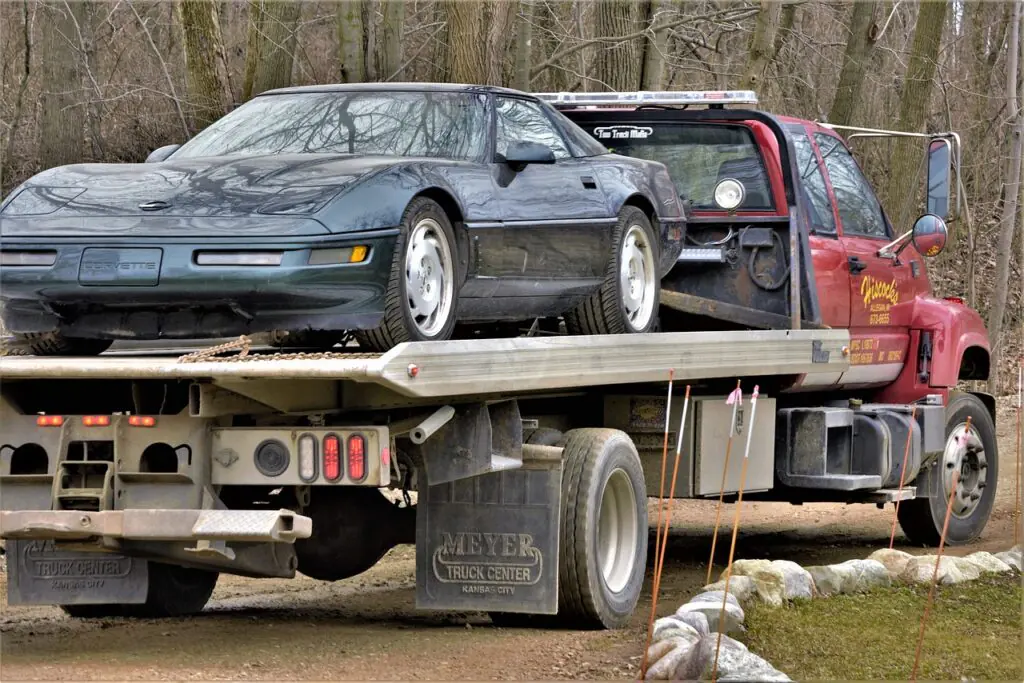
The following misdemeanors (related to this topic) are considered serious traffic misdemeanors for which the vehicle may be temporarily or permanently seized:
- driving while under full intoxication;
- driving while under very heavy intoxication;
- driving while under heavy intoxication;
- refusal to submit to testing for the presence of alcohol and
- driving a vehicle while excluded from traffic.
Loss of insurance rights and recourse claim of the insurance company
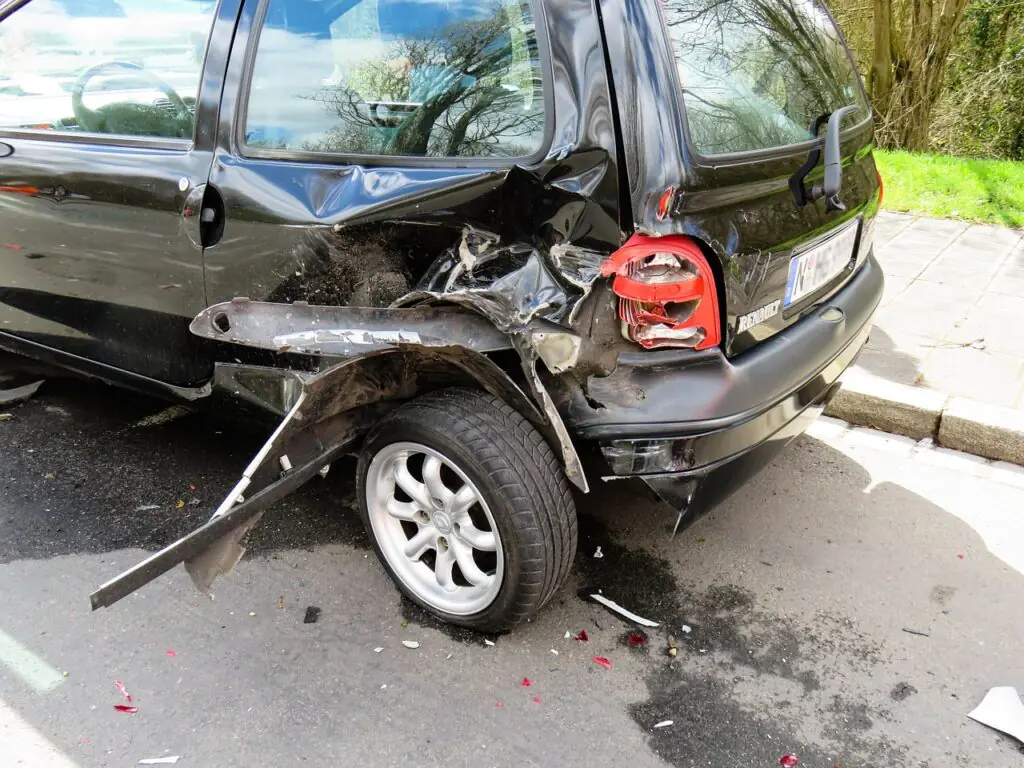
Compensation for damage to the injured party is directly related to misdemeanor proceedings in the field of traffic. The injured party has the right to compensation based on the right from auto liability, which he achieves by submitting a claim to the insurance company.
A driver who caused a traffic accidentand drove a vehicle under the influence of alcohol above the legal limit, loses his insurance rights.
When the insurance company compensates the injured party, it has the right to a recourse claim against the driver who caused the traffic accident. With a recourse request, it can claim the amount of compensation paid, interest on the compensation paid and the costs of the procedure.
If you have any questions regarding the office's practice areas or the posts on this website, please feel free to contact us. All communication with the office is protected by the obligation of attorney-at-law confidentiality.